A Walkable Day In Historic Dilworth Charlotte
July 2, 2026
July 2, 2026
If you want a Charlotte neighborhood where you can actually enjoy your day without constantly getting in the car, Dilworth deserves a close look. For many buyers and relocators, walkability is not just a bonus. It shapes how your week feels, how easily you can run errands, and how connected you feel to where you live. In Dilworth, that everyday convenience comes together with historic character, green space, and easy access to the city. Let’s take a walk through what a day here can really look like.
Dilworth began in the 1890s as Charlotte’s first suburb, linked to downtown by the city’s first electric streetcar. That early layout still matters today because it helped create the kind of neighborhood pattern that supports life on foot.
The City of Charlotte’s East Boulevard Pedscape Plan describes East Boulevard as Dilworth’s main street. It highlights short blocks, mature trees, comfortable sidewalks, mixed uses, and pedestrian-oriented design that supports walking, biking, transit, and parking in one compact corridor.
That combination gives Dilworth a different feel from areas built around wider roads and larger setbacks. Here, your day can unfold in smaller, easier steps, which is a big part of the neighborhood’s appeal.
A walkable day in Dilworth often begins on East Boulevard. This corridor brings together neighborhood businesses and everyday stops in a way that feels practical, not forced.
Current examples include Sunflour Baking Company at 220 East Blvd, Vibe Cafe & Wine Bar at 1315 East Blvd, and 300 East at 300 East Blvd. If you are imagining a morning coffee, a casual breakfast, or weekend brunch plans, those are the kinds of nearby options that help define the area’s daily rhythm.
Dilworth Drug at 1300-B East Blvd adds another layer to that experience. It is a small but useful reminder that walkability is not only about leisure. It is also about being able to handle a simple errand without turning it into a full outing.
One reason Dilworth stands out is that its walkable pattern is not limited to shops and restaurants. The neighborhood also has meaningful access to open space.
Latta Park, located at 601 East Park Ave, is a central neighborhood anchor. The Dilworth Community Association describes it as a 32-acre green space with walking paths, sports courts, playgrounds, and community events, making it an easy midday destination if you want a break from screens, traffic, or indoor routines.
Freedom Park at 2435 Cumberland Ave is another major nearby option. For residents, having both a neighborhood park and a larger park within easy reach adds flexibility to the day, whether you want a short stroll or more time outside.
Dilworth’s appeal grows even more when you look beyond its immediate blocks. The neighborhood connects well to larger Charlotte systems that support walking, biking, and rail access.
Little Sugar Creek Greenway stretches more than 17 miles and is part of the Cross Charlotte Trail. Mecklenburg County also notes that the urban section near Uptown includes the Charlotte Trail of History, which adds another layer to how people experience the city outdoors.
For rail access, East/West Blvd Station at 1821 Camden Street is the nearby CATS Blue Line station. That gives you another way to move between Dilworth and Uptown without relying only on driving.
The city’s Rail Trail runs parallel to the light rail line as an 11-mile pedestrian and bicycle facility. In some areas, it functions much like an urban greenway with nearby shops and restaurants, which helps connect Dilworth living to a broader in-town lifestyle.
As the day winds down, Dilworth’s compact layout keeps things simple. East Boulevard’s pedestrian setting makes it easier to go from dinner to dessert or a drink without adding another drive across town.
That ease is part of what the East Boulevard Pedscape Plan was built to support. The corridor includes a mixed, walkable pattern of residential uses, offices, churches, shops, and open space, which helps everyday plans feel more connected and convenient.
For buyers, that can be an important quality-of-life detail. A neighborhood that supports spontaneous plans often feels more livable than one where every stop requires a car trip and a parking search.
Dilworth’s walkability is only part of the story. The neighborhood’s architecture and preservation framework play a major role in why a simple walk here feels distinct.
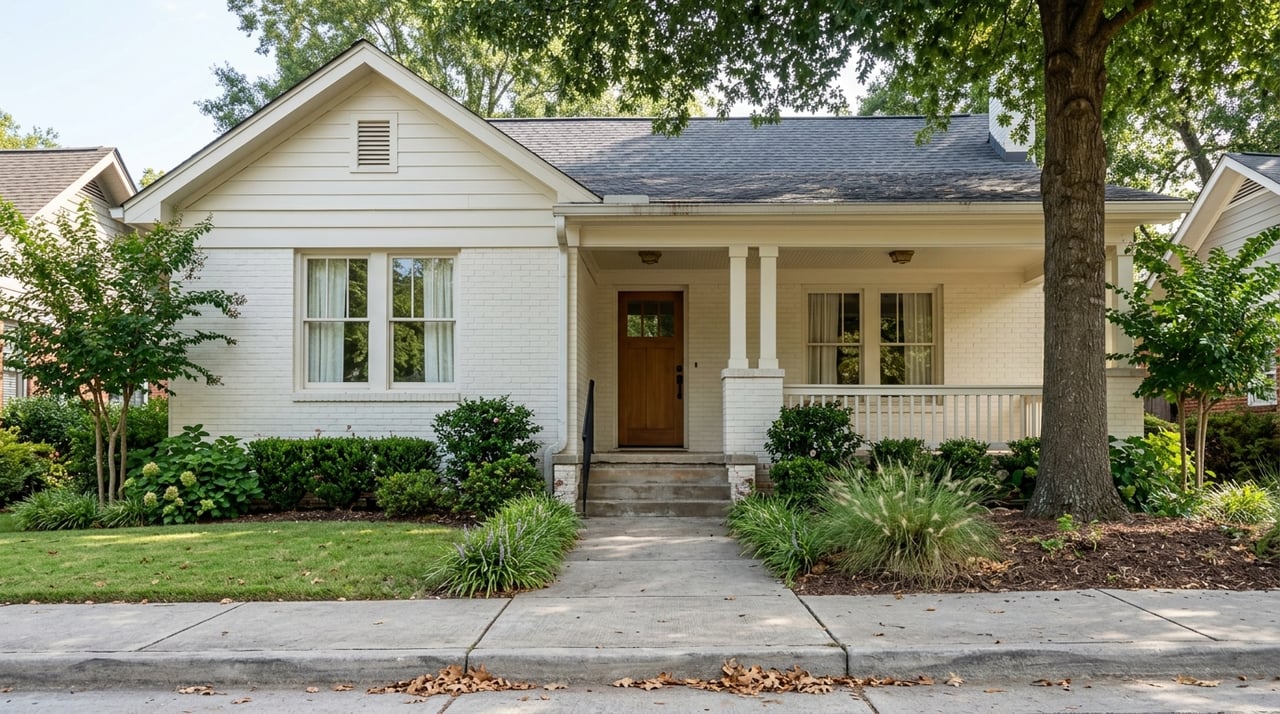
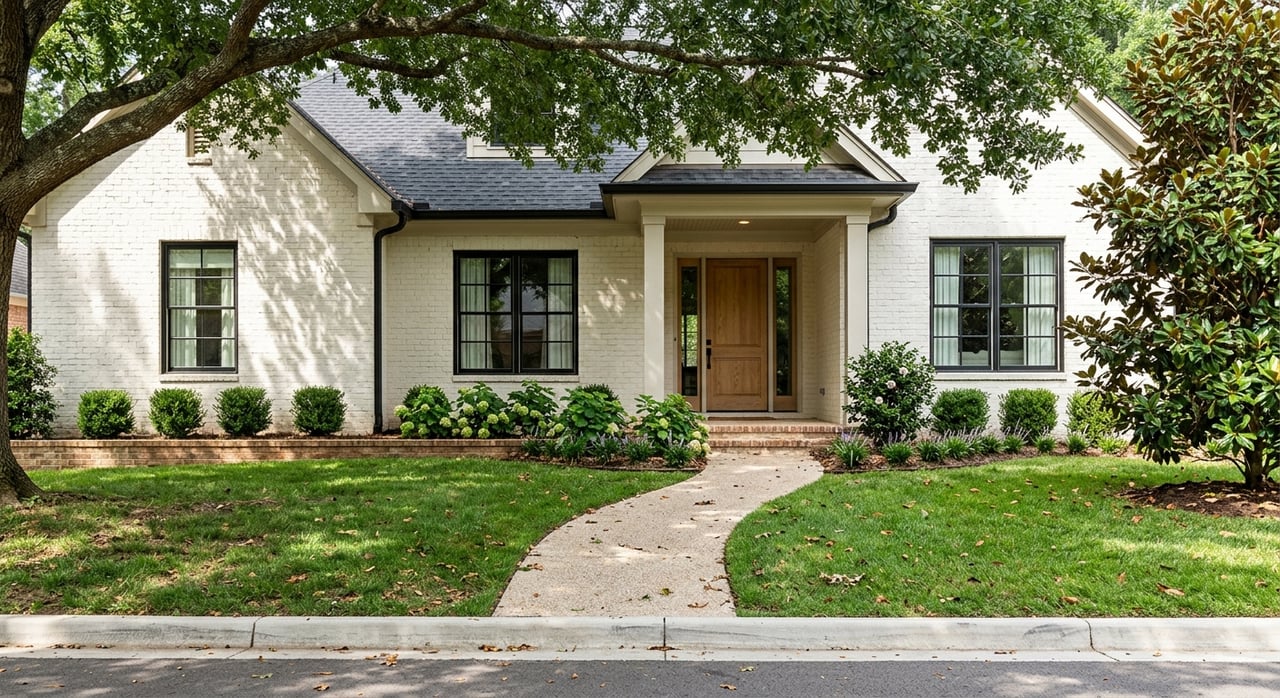
Charlotte’s architectural survey identifies Dilworth as historically significant for its variety of late nineteenth- and early twentieth-century styles. These include Late Victorian, Colonial Revival, Bungalow, Picturesque Cottage, Tudor Revival, and examples of Mission and Mediterranean Revival.
The neighborhood association says 1,025 structures are designated historically significant. That is a strong signal that the visual character of Dilworth is not accidental. It is part of a larger preservation-minded identity.
The City of Charlotte also identifies Dilworth as a local historic district, with designations in 1983 and 1992, and notes that it was listed on the National Register of Historic Places in 1987. For you as a buyer, that means the neighborhood’s layered look has a framework behind it, not just a good reputation.
If you are considering a home in Dilworth, it helps to understand the practical side of preservation. On contributing properties within the local historic district, exterior work requires a Certificate of Appropriateness from the Historic District Commission.
That process matters because it helps preserve the features that shape the neighborhood’s overall look, including porches, setbacks, rooflines, mature trees, and the rhythm of older blocks. For some buyers, that added review feels like an important protection of long-term character.
It is also one of the reasons Dilworth continues to feel cohesive rather than pieced together. If you love older homes and established streetscapes, this context is worth understanding before you buy.
A neighborhood can be easy to walk and still feel disconnected. Dilworth benefits from having a long-standing civic identity in addition to its physical design.
The Dilworth Community Association traces its roots to the preservation movement of the late 1960s. Its annual Jubilee in Latta Park has run since 1972 and is described as a free, family-friendly event.
That history suggests Dilworth is more than a collection of attractive homes and convenient blocks. It is also a place with recurring community traditions and a clear sense of stewardship.
If you are searching in Charlotte, Dilworth offers a strong example of how location can shape your everyday routine. You are not just choosing a home style or square footage. You are also choosing whether coffee, green space, transit, errands, and evening plans can fit together naturally.
For some buyers, that kind of neighborhood flow becomes a deciding factor. It can support a more connected in-town lifestyle while still offering the established setting and architectural texture that newer areas often cannot replicate.
If Dilworth is on your list, it helps to evaluate not just the house itself but also how the surrounding blocks function day to day. That is often where the neighborhood’s value becomes most clear.
If you want help comparing Dilworth to other in-town Charlotte neighborhoods, or you are trying to decide whether its historic charm and walkability fit your goals, Harper Fox can help you navigate the details with clear, local guidance.
Stay up to date on the latest real estate trends.
Discover more than just a home. With deep knowledge of Charlotte’s diverse neighborhoods and vibrant lifestyle, Harper helps you find a place where you can truly live, work, and play. From urban living to quiet comfort, he ensures your real estate journey is seamless, informed, and tailored to you.